Evaluating Pet Food Suppliers: 5 Key Metrics for Brand Owners Choosing a Partner
When selecting a pet food supplier, brand owners should look beyond product pricing and evaluate whether the supplier possesses stable supply capabilities, robust quality management systems, regulatory document support, and the professional expertise required for long-term collaboration.
For brand owners seeking to enter new markets, build private-label brands, or develop pet food products, supplier capabilities directly impact product time-to-market, subsequent management costs, and stable brand growth in the market.
A suitable pet food supplier does more than just manufacture products—they actively assist partners in reducing risks during product development, quality management, and market introduction.
What Should Brand Owners Evaluate First When Selecting a Pet Food Supplier?
When evaluating a pet food supplier, it is recommended to prioritize the following five key dimensions:
While price is an important factor, initial cost advantages can quickly be erased by subsequent revision, delay, and management costs if a supplier fails to deliver consistent products, required documentation, or technical support.
1. How to Confirm Whether a Pet Food Supplier Possesses Market Entry Capabilities?
Whether a supplier can help products smoothly enter target markets is a critical evaluation factor for brand owners.
Different countries and regions have varying regulatory and import requirements for pet food, pet supplements, and related products, covering:
Before entering a partnership, brand owners can confirm whether the supplier can provide:
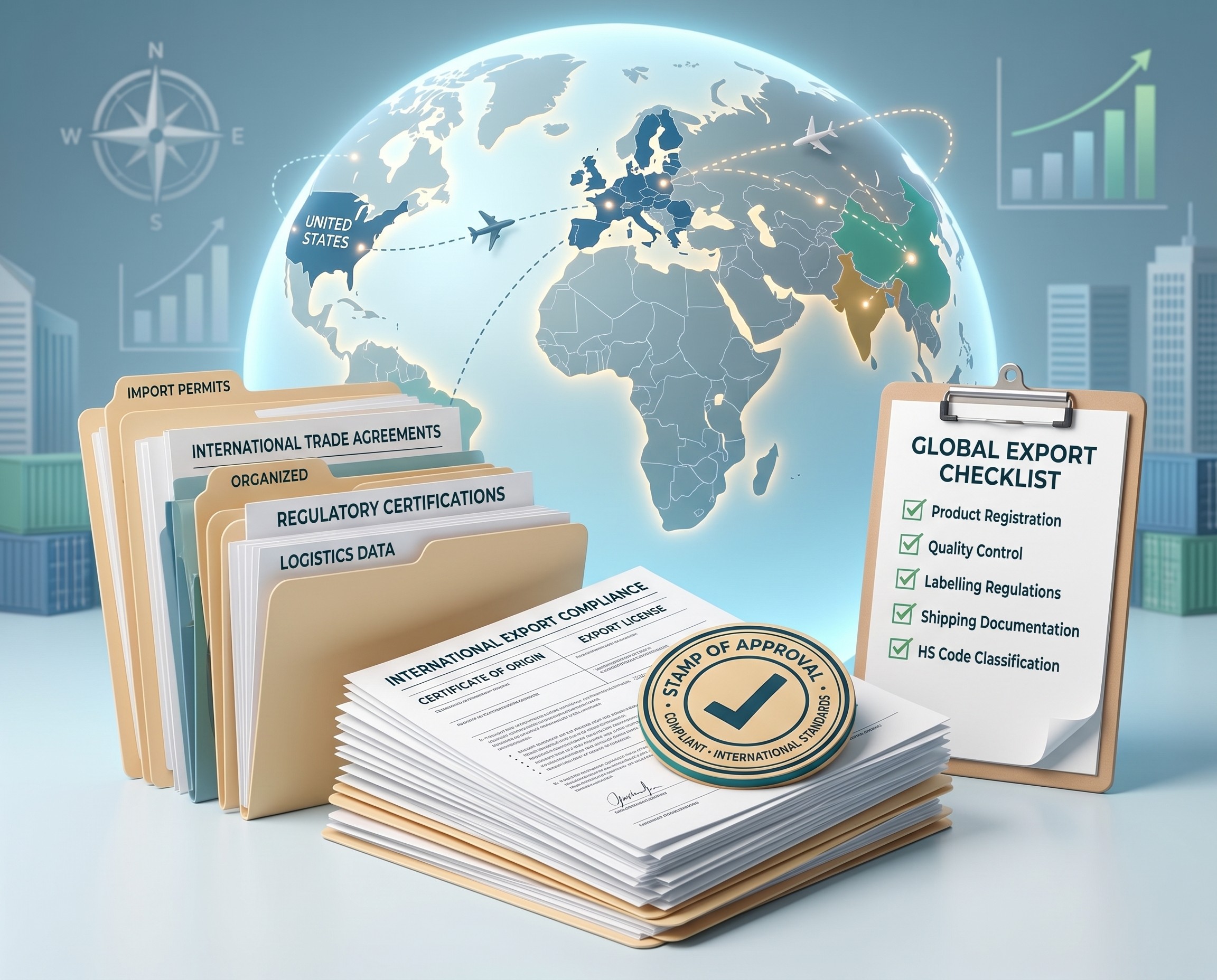
Pet food must comply with local regulations and sales channel requirements upon entering different markets. Complete market entry and regulatory documentation helps brand owners finalize pre-launch data preparation and compliance verification.
These documents assist brand owners to:
For partners planning to enter overseas markets or establish private-label brands, a supplier’s regulatory document integration capabilities directly dictate product launch efficiency.
SINGEN has established a systematic document management process to assist partners in rapidly preparing technical and regulatory documents required for import, registration, and channel onboarding—significantly shortening the time needed to enter target markets.
2. How to Assess a Pet Food Supplier's Quality Management Capabilities?
Verifying whether product quality is stable requires confirming if the supplier possesses an end-to-end quality management workflow rather than relying solely on single-sample testing.
Why Sample Quality Does Not Guarantee Mass Production Quality
A sample only represents a single development outcome and cannot fully reflect quality consistency after full-scale mass production. Lacking a comprehensive quality management process exposes products to batch variations, increased customer complaints, return issues, and compromised channel trust post-launch.
When evaluating suppliers, brand owners should confirm whether comprehensive quality management systems and production control mechanisms are established:
(1) Raw Material Quality Management
(2) Manufacturing Process Management
(3) Finished Goods Quality Verification & Inspection Certificates
Routine quality inspection items for pet food typically include:
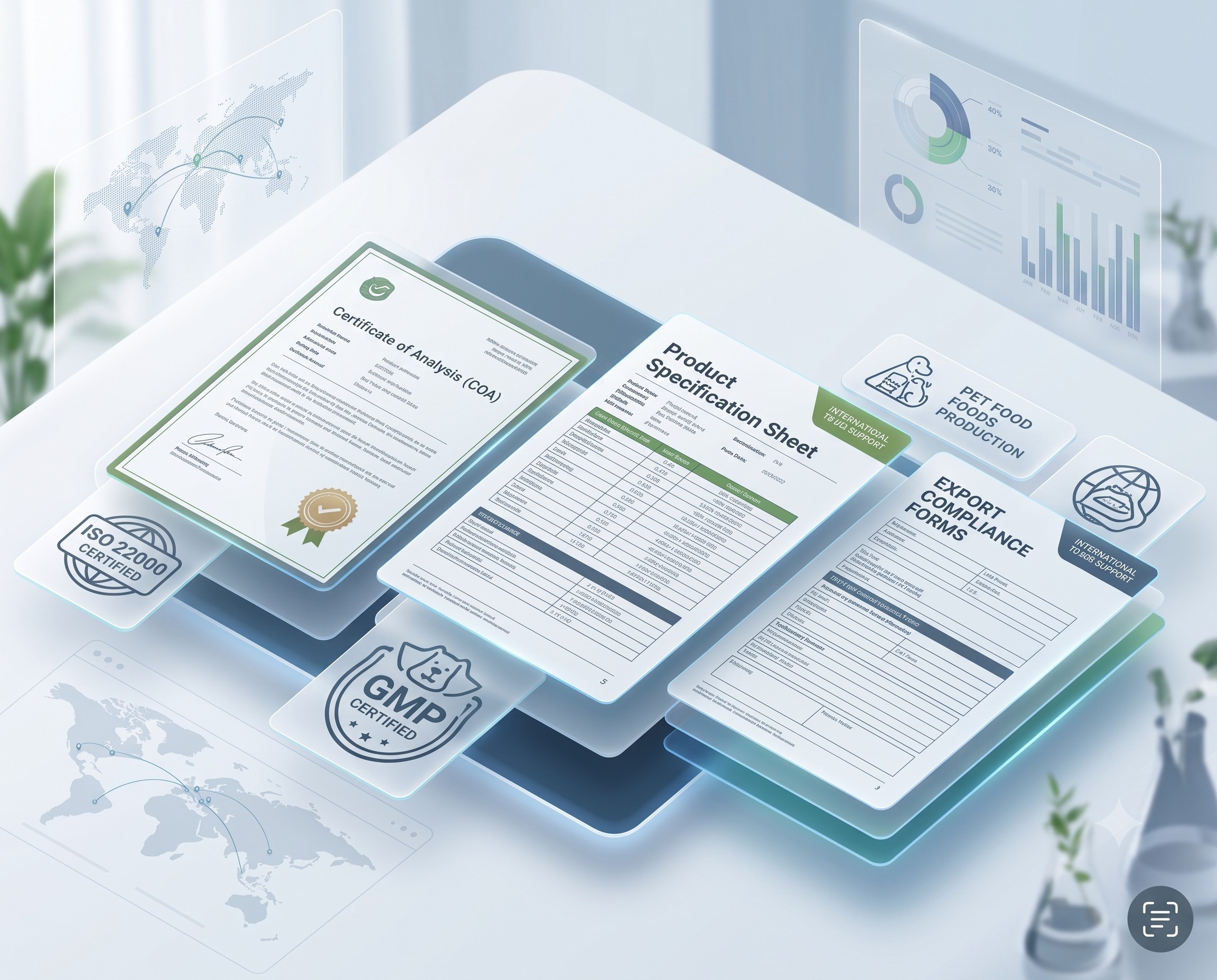
SINGEN operates under a comprehensive ISO quality management workflow and possesses GMP manufacturing capabilities. We execute strict quality inspections tailored to product requirements. Every shipped batch includes a complete COA report, and we can arrange third-party testing with authoritative institutions to meet target market needs, ensuring quality consistency across every production run.
3. How to Confirm the Stability of a Pet Food Supplier's Supply Chain?
Supply stability directly affects product launch schedules and market sales; therefore, brand owners must confirm whether a supplier possesses long-term supply capabilities.
Key factors to verify prior to collaboration include:
Some suppliers successfully meet small-batch demands initially but face delivery issues due to capacity limits, raw material stockouts, or inadequate production management as sales volumes expand. Evaluating a supplier requires understanding their long-term capacity and supply chain resilience rather than just immediate availability.
4. What Technical Support Should Pet OEM/ODM Suppliers Provide?
Suppliers with OEM/ODM capabilities should do more than just manufacture products on demand—they should actively assist brands and brand owners in completing product development and specification optimization.
Before collaborating, brand owners can confirm whether the supplier provides the following technical support:
For brand owners, supplier technical support significantly reduces the time spent compiling product data internally, minimizes communication overhead across multiple vendors, and lowers pre-launch risks.
With long-term dedication to pet food and pet supplement development, SINGEN provides one-stop OEM/ODM manufacturing services, assisting partners across the complete workflow from concept planning, formulation R&D, and pilot trials to full-scale mass production.
5. How to Select a Pet Food Supplier for Long-Term Collaboration?
Suppliers suited for long-term collaboration must simultaneously possess product capability, quality control capabilities, and continuous support capabilities.
During evaluation, brand owners should confirm whether the supplier can:
For brand owners searching for pet food suppliers, pet supplement manufacturers, or pet dry food manufacturers, supplier evaluation should not rely on a single price quote, but rather confirm whether the partner has the capability to support the brand's long-term market growth.
How to Build a Pet Food Supplier Evaluation Checklist?
Building a supplier evaluation checklist helps brand owners compare different partners using standardized criteria, avoiding decisions based solely on price or single-sample performance.
Recommended Evaluation Checklist:
| Evaluation Category | Verification Scope |
|---|---|
| Quality Management | ISO, GMP, inspection workflows, quality documentation |
| Product Capabilities | Formulation, dosage forms, product development capabilities |
| Document Support | COA, specification sheets, test reports |
| Production Capabilities | MOQ, lead times, production capacity |
| Supply Stability | Raw material management, production planning |
| Technical Support | Development, packaging, regulatory assistance |
| Communication | Response speed, project management efficiency |
Using a structured evaluation framework enables brand owners to clearly compare the strengths and limitations of different suppliers, reducing the risk of uncovering supply or quality issues after entering a partnership.
Interested in Pet Food and Supplement OEM/ODM Manufacturing Capabilities?
SINGEN provides pet food, pet supplement products, and one-stop OEM/ODM manufacturing services to assist brand owners in completing product development, regulatory documentation, quality management, and mass-production supply.
If you are looking for a pet food manufacturer, pet supplement manufacturer, or private-label product partner, welcome to learn more about SINGEN's OEM/ODM manufacturing capabilities.
👉 Explore SINGEN OEM/ODM Services