Do Exported Pet Supplements & Pet Food Need Registration? Key Regulatory Differences in the US, EU & Asia

Do Exported Pet Supplements & Pet Food Need Registration?
The answer is: Not necessarily.
Whether a product requires formal registration or filing depends on four key factors:
Understanding each market’s regulatory framework and review requirements is the first step toward smooth customs clearance and successful overseas market entry.
7 Core Steps for Exporting Pet Supplements & Pet Food
When planning for overseas markets, brand owners are advised to follow the evaluation process below to avoid discovering compliance issues after production or packaging has already been completed:
Conducting these checks in advance can significantly reduce the risk of packaging waste, formula reformulation, and delays in market launch.
What Export Details Should Be Checked Before Mass Production?
In addition to understanding the overall process, brand owners should review the following practical details before placing a mass-production order:
If issues are discovered only after packaging has been printed or mass production has been ordered, brands may need to reprint labels, reformulate products, or delay market entry.
Why Do Regulations for the Same Product Differ Across Markets?
Regulatory authorities evaluate not only product ingredients, but also product positioning, intended use, and health claims. As a result, the same formula may be subject to different regulatory requirements in different markets.
Take the common joint health ingredient glucosamine as an example:
If the packaging only states “supports joint health” or “supports daily mobility,” the product may generally be treated as a pet supplement in many markets, with a relatively straightforward market-entry process. However, if the packaging claims to “treat arthritis” or “improve degenerative joint disease,” authorities may consider the product to have a therapeutic purpose and therefore subject it to veterinary drug regulations, potentially requiring more extensive review and clinical data.
What Are the Key Regulatory Considerations for the US Market?
Not all pet supplements in the US require lengthy market-entry procedures. A key factor affecting regulatory requirements is the precision of product labeling claims.
US regulators pay close attention to the wording used on pet supplement labels. While not every product is subject to a veterinary drug approval process, claims that imply disease treatment or prevention may trigger regulatory concerns or enforcement action.
Maintenance- and support-oriented descriptions are generally more appropriate, such as:
In contrast, claims that imply therapeutic or disease-prevention effects may raise compliance concerns, such as:
The wording used on a product can directly affect its regulatory status, market-entry requirements, and launch timeline. Therefore, claim review is a key part of planning for the US market.
What Makes the EU Market Different?
The EU market has stringent requirements for product quality and technical documentation, with particular emphasis on ingredient traceability and safety documentation.
In addition to evaluating ingredient safety, regulatory authorities and importers may pay close attention to:
Therefore, the challenge is not necessarily that products cannot enter the EU market. Rather, more comprehensive technical dossiers and supporting test data may be required to reduce uncertainty around market-entry timelines.
Can the Same Regulatory Preparation Be Used Across Asian Markets?
No. Asian markets differ significantly in their regulatory authorities, product classifications, and regulatory systems. A single packaging design or set of documents cannot necessarily be used across all markets.
What Are the Most Common Export Issues in OEM Projects?
In practical experience, many export delays do not occur at customs clearance. Instead, they can originate much earlier during the product development and packaging stages.
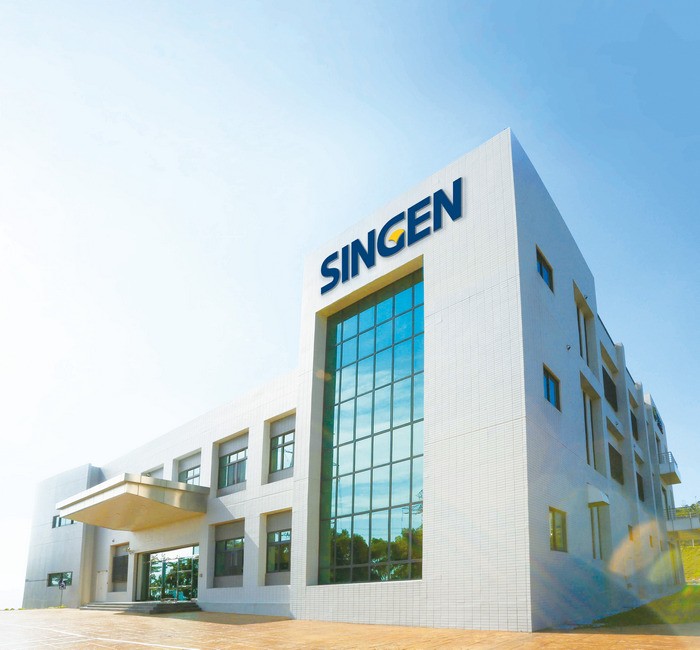
In SINGEN OEM/ODM projects, common issues encountered by clients include:
In OEM projects, we encourage clients to confirm target-market regulatory requirements at an early stage. We can also support clients by providing product technical documentation and necessary information to help reduce the cost and time associated with subsequent modifications.
Every market has its own regulatory requirements. The earlier product positioning, claims, labeling, and documentation requirements are confirmed, the more effectively brands can reduce modification costs and shorten market-entry timelines.
Planning to Export Pet Food or Pet Supplements?
Explore SINGEN OEM/ODM Services to learn how we support brands from product development and technical documentation to overseas market entry—helping reduce the communication and execution costs of cross-border product launches.
👉 Explore SINGEN OEM/ODM Services